The healthiest hair routines are built on education, not outdated advice.
If you’ve ever wondered
how often you should really be trimming your hair, you’re not alone — especially if you live a full, fast-paced life balancing work, family, and
personal wellness. For many women in Utah, salon visits aren’t just about looking polished. They’re part of a larger
self-care system that supports confidence, health, and long-term results.
Unfortunately, online advice about trims is often conflicting. Some sources claim trims are unnecessary, while others push rigid schedules that don’t consider lifestyle, hair biology, or overall health. The truth is more thoughtful — and far more empowering.
At Ottalaus Salon, we believe education creates confidence. Let’s break down what actually determines trim frequency, how structured haircuts factor in, and how to build a routine that supports both style and hair health.
Why Trimming Your Hair Is a Health Decision — Not Just a Style One
From a wellness perspective, trims serve a preventative purpose.
Once hair leaves the scalp, it no longer regenerates. Over time, everyday exposure — brushing, heat styling, environmental stress, and chemical services — weakens the hair fiber, particularly at the ends. Without intervention, that damage can travel upward, leading to breakage, thinning, and loss of shape.
Strategic trims remove compromised ends before damage progresses. Think of trims the way you might think about preventative health care: addressing small issues early to avoid larger problems later.
For clients who value longevity and evidence-based care, trims aren’t about cutting length — they’re about
protecting strength, density, and integrity.
How Often Should You Really Be Trimming Your Hair?
The most accurate answer is: it depends on
your hair’s health, your lifestyle, and the structure of your haircut.
Rather than rigid rules, here’s a science-backed framework we use when advising guests at our Utah salons:
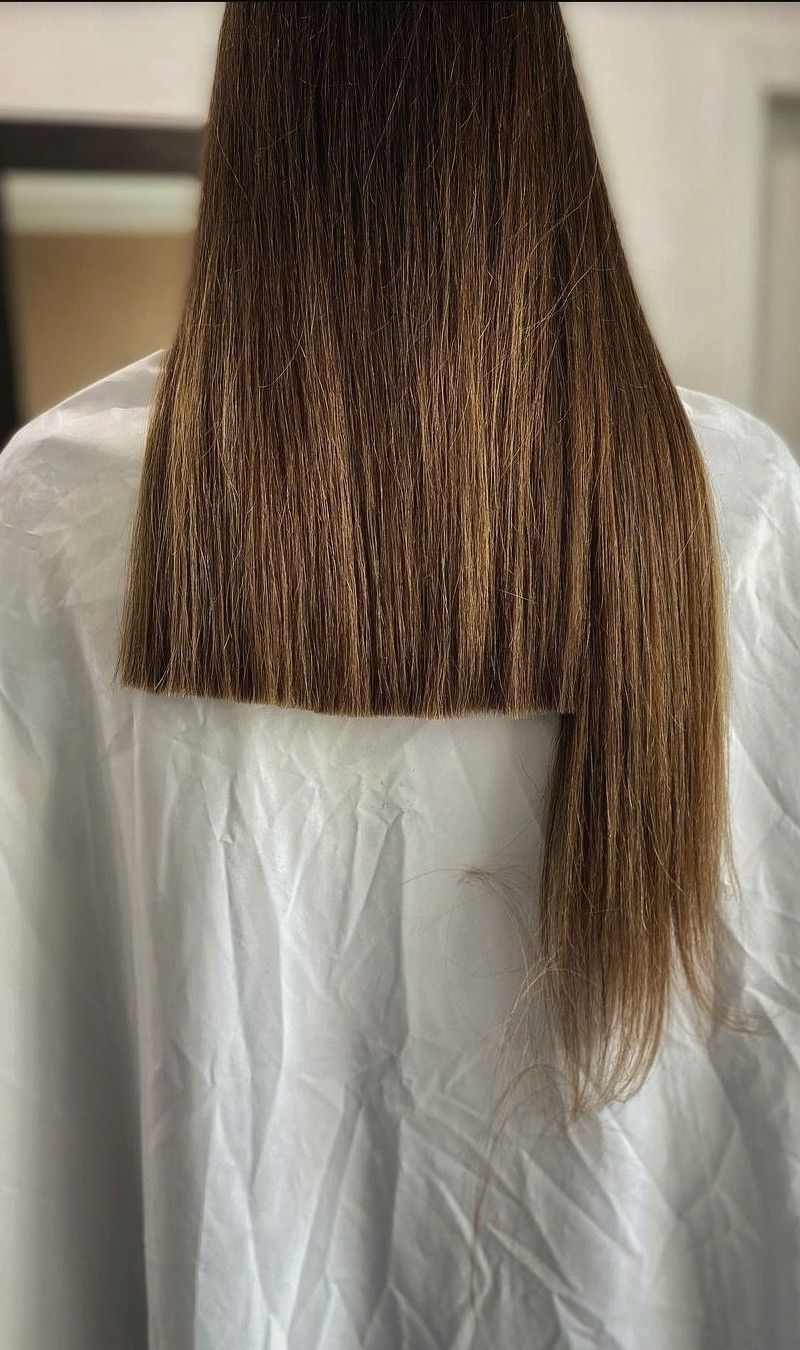
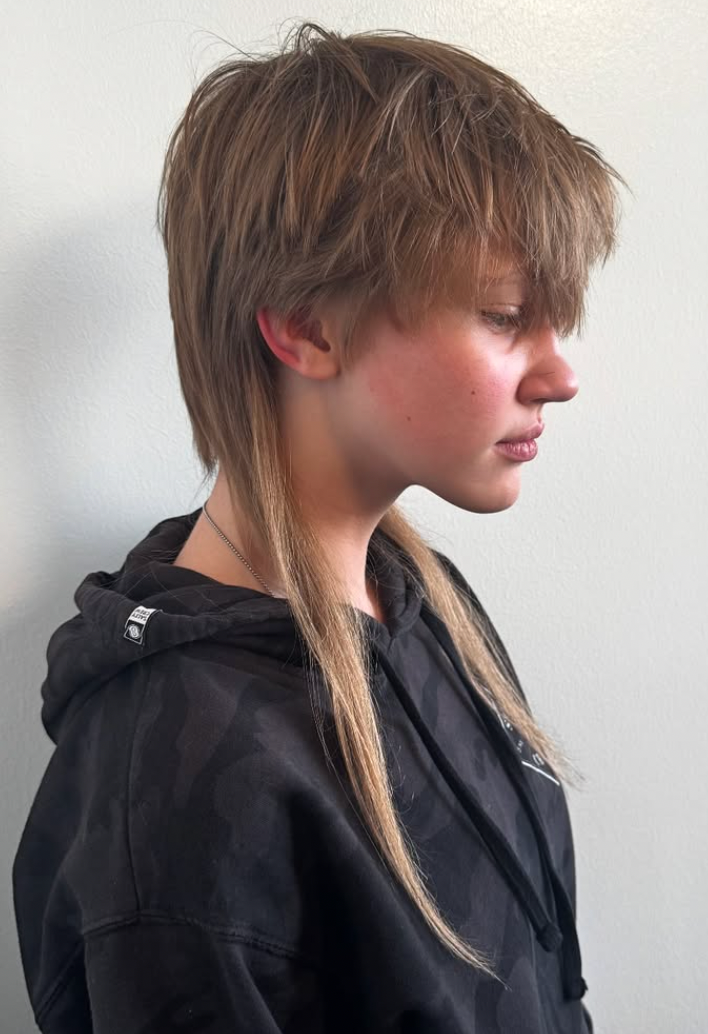
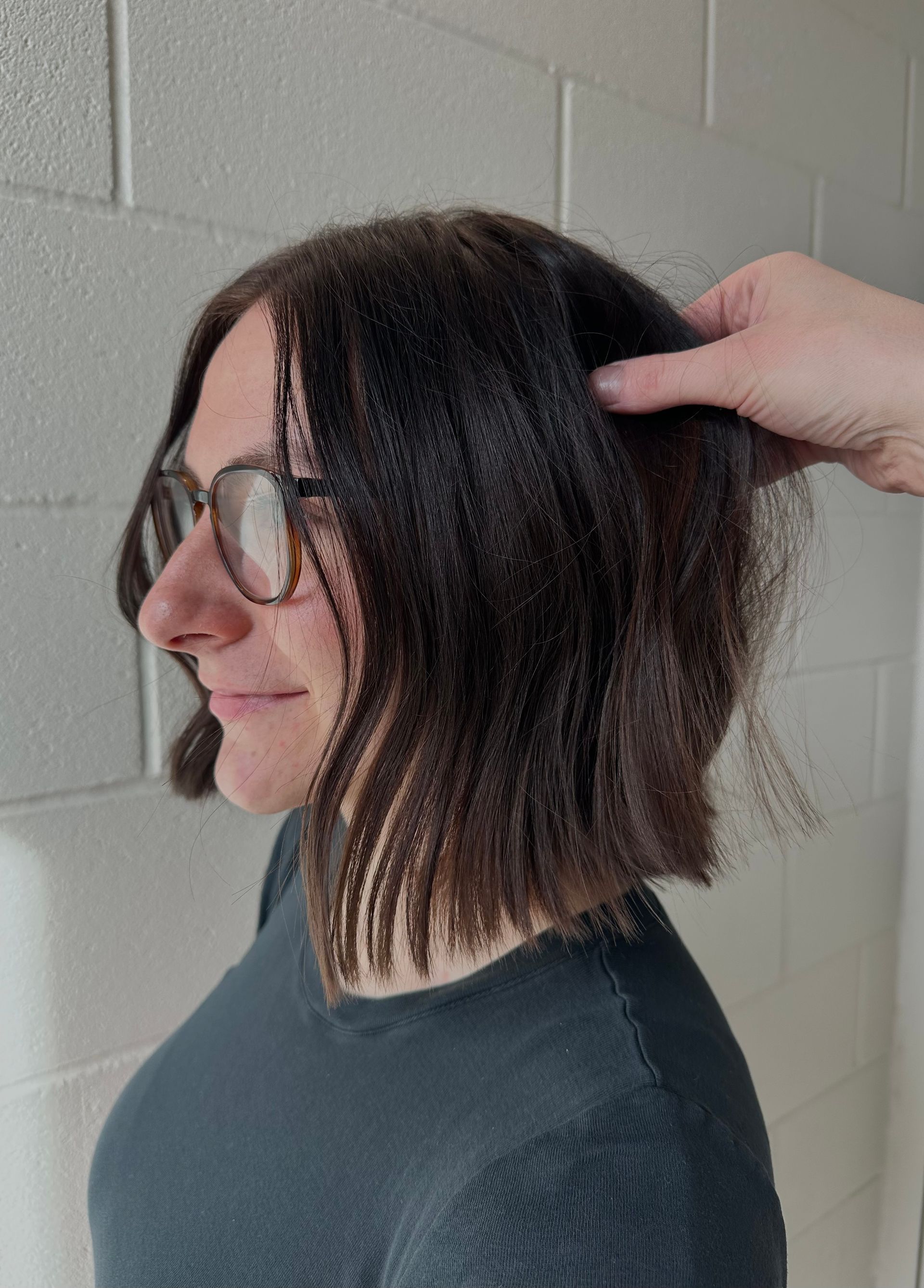
Why Structured Haircuts Require More Frequent Trims
Common Myths That Create Confusion (and Distrust)
Myth: Trimming makes hair grow faster
Hair growth happens at the scalp, influenced by circulation, hormones, nutrition, and stress levels — not the ends. Trims don’t speed growth, but they prevent breakage that makes growth appear stalled.
Myth: If you’re growing your hair out, skip trims
Skipping trims often leads to thinning ends and breakage, which ultimately slows visible length retention.
Myth: All trims are the same
A dusting, a reshaping trim, and a corrective trim serve very different purposes. Precision and intention matter — especially for clients concerned about damage.
Signs You May Be Due for a Trim
Even if it hasn’t been “that long,” your hair may be asking for maintenance if you notice:
- Increased tangling or knotting
- Ends that feel dry or brittle despite conditioning
- Hair snapping instead of stretching
- Loss of shape or difficulty styling
- Uneven density at the ends
Addressing these signs early helps preserve strength and style.
So,
how often should you really be trimming your hair?
As often as your hair's healthand haircut structure require.
Healthy hair doesn’t come from extremes or fear-based advice. It comes from education, consistency, and trust. When trims are guided by strand health, lifestyle, and intentional design, they support both beauty and longevity.
At
Ottalaus Salon, our goal is simple: for every client to leave feeling informed, cared for, and confident that their hair is being treated with the same respect as their overall health.
Hair Trimming FAQs
Does trimming your hair make it grow faster?
Biologically, no. Hair grows from the follicle in your scalp, not the ends. However, regular trims make your hair appear to grow faster. By removing split ends before they travel up the hair shaft and cause breakage, you retain more of your length over time. Without trims, your hair breaks off at the bottom as fast as it grows at the top.
How often should I trim my hair if I'm growing it out?
If your goal is length, we recommend a "dusting" every 10–12 weeks. This removes only the very tips that have become weathered, keeping the ends thick and healthy while allowing you to gain visible length each month.
How often should I trim color-treated hair?
Color-treated hair, especially if it has been lightened, is more porous and prone to dryness. To keep your ends from looking "fried" or frizzy, you should aim for a trim every 6–8 weeks. This ensures your dimensional color always looks polished and expensive.
How often should I trim curly hair?
Curly hair can often go a bit longer between visits because the natural texture hides growth better than straight hair. We usually recommend a trim every 12 weeks. This helps maintain the "shape" of your curls and prevents the dreaded "triangle hair" effect caused by bottom-heavy growth.
How do I know if I have split ends?
Look for these three signs:
- The "Y" Shape: The end of the hair strand literally splits into two.
- The White Dot: A tiny white speck at the tip of the hair indicates a point of breakage.
- Tangles: If your brush or comb gets "stuck" at the ends more than usual, it’s often because split ends are snagging on each other.
Do I need a consultation before getting a trim at Ottalaus?
For a standard trim, a full separate consultation isn't usually necessary, as our stylists perform a mini-consultation at the start of every appointment. However, if you are looking to change your shape or move from regular layers to "lightweight layers," we recommend our Stylist Matching Quiz
to ensure you’re paired with a pro who specializes in your specific hair goals.
What's the difference between a trim and a haircut?
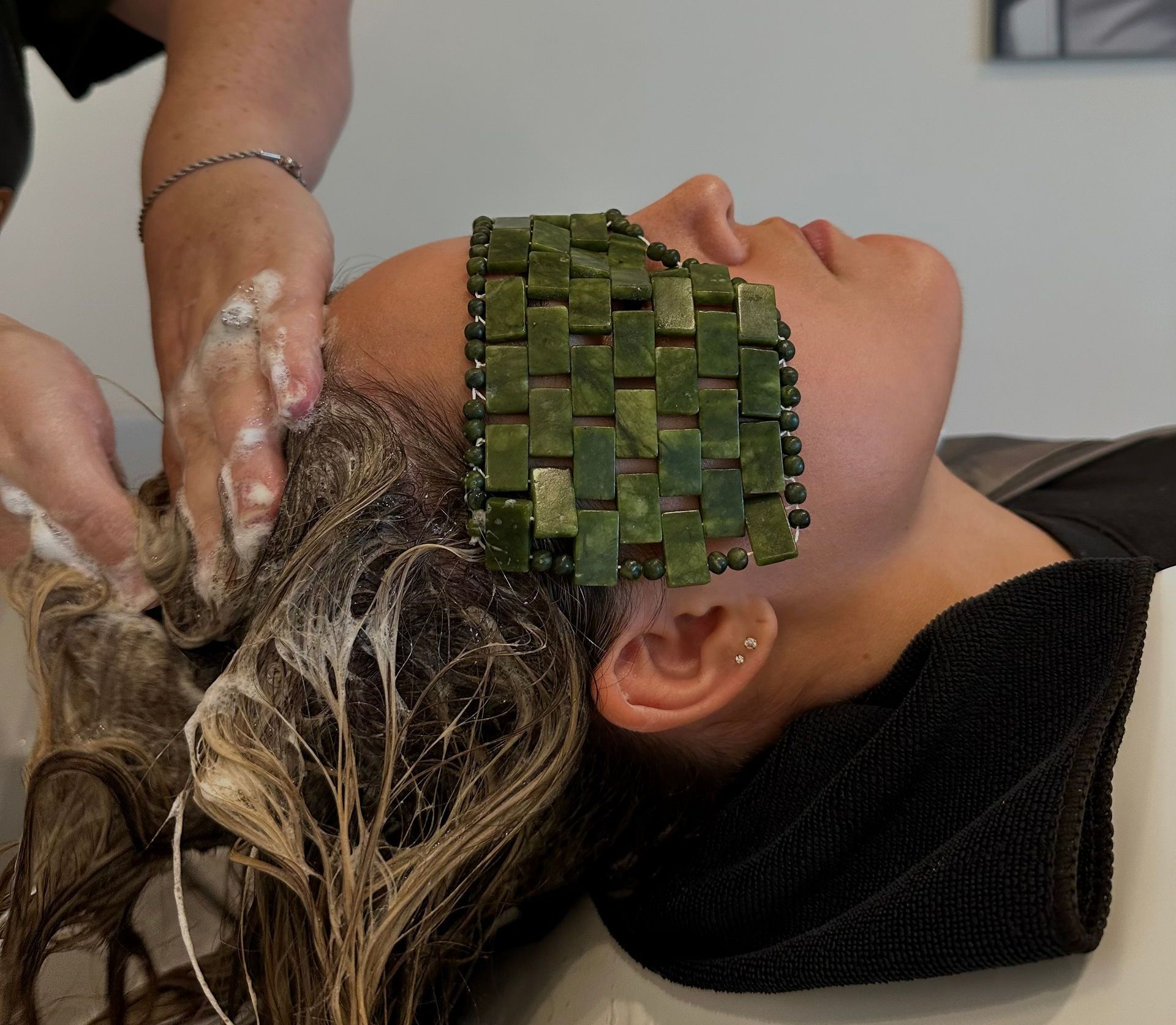
At Ottalaus, the technical work is the same, but the intent is different. A trim focuses on maintaining your current style and removing damage. A haircut usually involves a "re-shaping" or a change in style. Regardless, every cutting service at our salon includes a luxury shampoo, scalp massage, and professional blowout to ensure you leave feeling elevated.